

 X (ex Twitter)
 Facebook
 Linkedin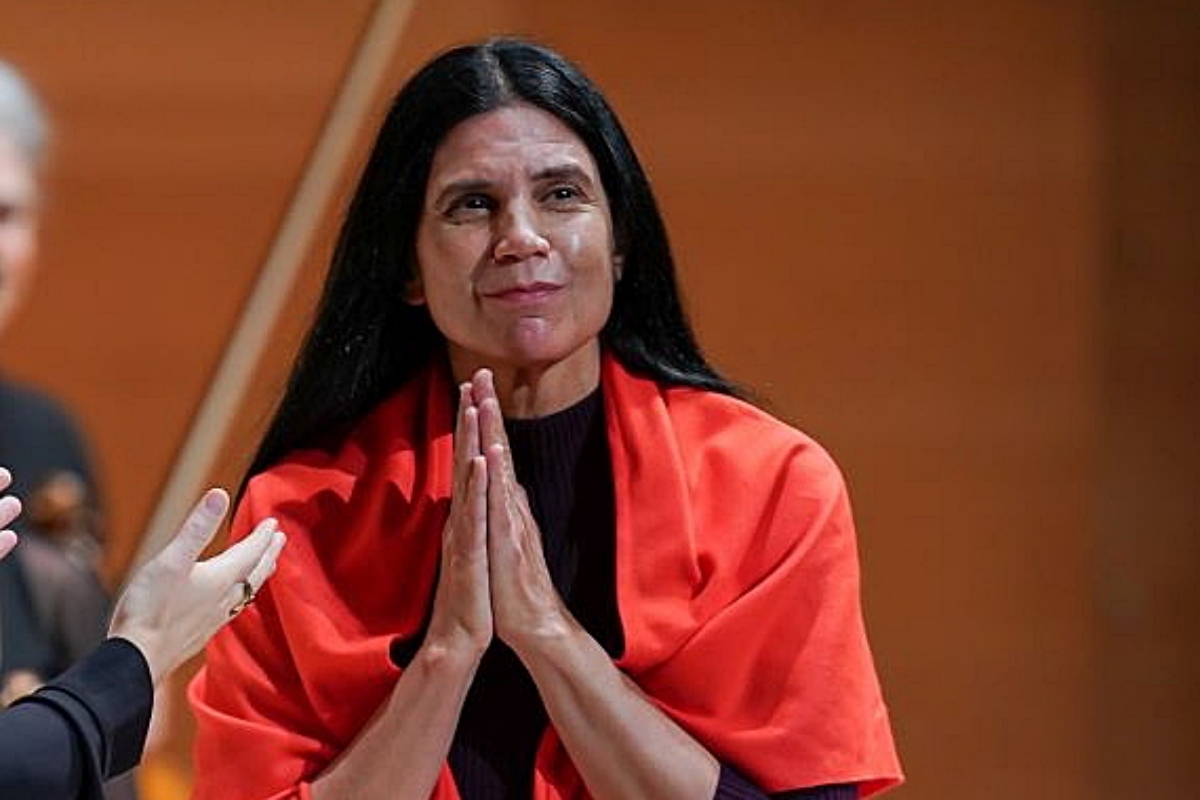
The ‘Silence and Music’ programme provides an opportunity to present the world premiere of the work commissioned by Les Éléments from Barbara Assiginaak.
Three questions for Barbara Assiginaak on vocal music and her work ‘Giiwedin’
In a few words, how would you present your work as a composer?
As with many of my other works, I have created my own original text in Anishinaabemowin and with detailed guidance on pronunciation for the singers. In many ways Anishinaabemowin is onomatopoeic and vividly expressive in sound meanings and sound characters. I also really love to draw on all of the sounds that voices can naturally make, including experimentally, so that we can feel how human sounds are rooted in the nature around us. The theme of 'winter' which was suggested to me was important to me also. Working within outdoor environmental education for over two decades and not growing up in a city or town, it was always the non-human beings around me who taught me so much. Witnessing the shifts and impacts of climate change for Anishinaabek, all Indigenous peoples and everyone globally, the value of 'wintering time' means even more to us now.
What is your relationship with vocal music, especially choral music?
Anishinaabemowin (Odawa) was the first language I heard very young when my mother was singing very old lullabies in Odawa—songs that she also was taught from a young age, and told to keep singing to herself when taken away from her home reserve to attend residential school. So that connection to a mother's voice and the Anishinaabemowin language is embedded in the art songs, operas and choral music I have composed over many years. Decades ago I was also asked by fluent-speaking Anishinaabe elders to help them with preserving the special style and tradition of Anishinaabe hymns which contain many coded meanings that are syncretic. We also need to be sensitive about how children in residential schools were often severely punished for speaking and singing in their native language. I have also collaborated over several decades with other Indigenous communities and learned from fluent speakers of their languages—Kanien'kéha (Mohawk), Nehiyawewin (Cree), Innu-aimun (Quebec/Labrador Innu-Algonquin) especially, among others. I tend to consider the differences in aesthetics of group singing (including choral or a cappella), and how Western choral singing traditionally aims for 'blending' voices which can be beautiful, but how maintaining separately distinct lines of singing and voice-types within a large group, as found in non-Western singing, can also be so intensively expressive. Eccentuated breath sounds are actually also integral sounds to Indigenous languages and word meanings, as well as nasalized vowels, glotal stops and syncopes. The strident timbral qualities of voices I grew up hearing attending powwows from a young age also influences me a lot—about what is authentically expressive because of the influences of those non-human voices. Human languages come from the land, waters and skies above them, and are influenced by the winds, birds and creatures who taught us how to sing and how to survive.
Could you tell us about your work “Giiwedin”?
The sounds of the North Wind (Giiwedin) are so distinct from other winds coming from the other directions. The cold winds that come in from the north are powerful and have their own healing and messages to bring. Among the first signs of winter are the voices of those coming in the air from the north. Winds are beings, with their own sounds and sound characters. Apart from my own text and song in Anishinaabemowin, I am also drawing on the totality of vocal and embodied sounds that humans can make which remind us of our connections and interconnections to non-human beings, including the winds and other elements. It also reminds us humans of our humility and how much more powerful nature is, reminding us of our purpose to take care of Shkagmikwe (Mother Earth) who supports all living beings here.
Photo: Antoine Saito
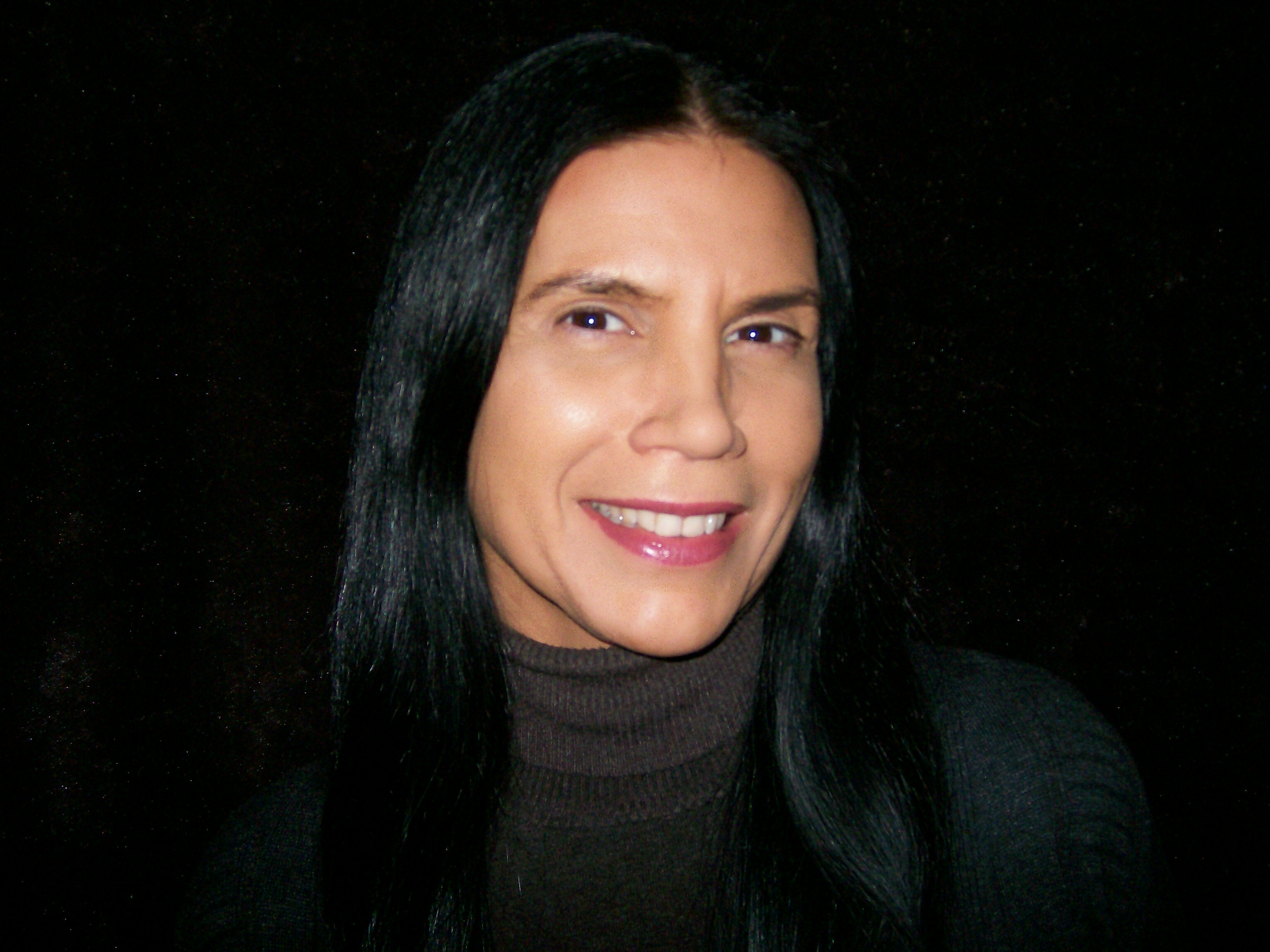
Barbara Assiginaak est une compositrice et musicienne anishinaabekwe (d’origine odawa, ojibwée et potawatomi ; Mnidoo Mnissing, Giniw Dodem) qui partage son temps entre la composition, la scène et l’enseignement.
Habituée des cérémonies traditionnelles aux côtés des personnes aînées des Premières Nations, elle participe également aux activités écologiques liées à l’exploitation de la terre. Ses méthodes d’ensei-gnement sont enracinées dans les enseignements traditionnels anishinaabeg. Depuis son plus jeune âge, elle compose de la musique pour le pipigwan (flûte traditionnelle en bois), le dewe’igan (tambour) et la voix dans le respect des traditions orales et sonores des Anishinaabeg.
De formation classique, Barbara Assiginaak est diplomée de l’Université de Toronto, de la Musikhochschule de Munich (Allemagne), du Centre Acanthes (France), et détient un diplôme ARCT en interprétation au piano. Depuis ses débuts en 1995, Barbara Assiginaak est l’auteure de nombreuses œuvres pour chœur, voix, ensemble de musique de chambre et orchestres. Elle écrit pour le théâtre, la danse, le cinéma, l’opéra, le multimédia et des projets interdisciplinaires. Elle interprète régulièrement ses œuvres en solo (voix, pipigwan, percussions et autres instruments anishinaabe).
En tant que descendante directe des chefs héréditaires qui ont signé des traités en Ontario et fille et petite-fille de survivants des pensionnats autochtones, Barbara Assiginaak s’est nourrie de ces histoires pour alimenter son travail. Elle a participé activement aux activités de la Commission de vérité et réconciliation. Déjà, dès 1992, elle s’est imprégnée des souvenirs de pensionnat que sa mère lui contait dans son enfance pour com-poser une œuvre pour ensemble de musique de chambre. Elle a composé la musique de scène et le thème musical des cérémonies d’ouverture des Jeux autochtones de l’Amérique du Nord 2002 à Winnipeg. Elle a reçu de nombreux prix, dont le prix Glenn Gould en composition de l’Université de Toronto. On a pu entendre des retransmissions de ses œuvres sur un grand nombre de radios d’Amérique du Nord et d’Europe.
Barbara est actuellement professeure et coordonnatrice en composition à la Faculté de musique de l’Université Wilfrid-Laurier de Waterloo (Canada).